
Finding Your Unique Voice and Brand Story
Struggling to figure out what makes you different? We’ll walk you through discovering your authentic professional story.
Read MoreYour digital footprint matters. Learn how to build a LinkedIn, website, and social profiles that actually get you taken seriously in your field.

Here’s the reality: recruiters, clients, and collaborators are Googling you. If they don’t find anything, or worse—if what they find doesn’t match your actual qualifications—you’re losing opportunities before you even know about them.
You don’t need a massive social media following or viral content. What you need is consistency, authenticity, and a clear presentation of who you are professionally. That’s what we’re covering here.

LinkedIn is where most professional discovery happens. You’re not building a personal brand here—you’re building a searchable, credible profile. And yes, there’s a difference.
Start with your photo. It doesn’t need to be expensive. A good headshot with decent lighting and a plain background works. Smiling helps. Then write a headline that tells people what you actually do, not just your job title. Instead of “Marketing Manager,” try “Digital Marketing Manager | Content Strategy | B2B Growth.” It takes 30 seconds and dramatically improves who finds you.
Your summary is where you get to talk like a human. Don’t list achievements—explain what you’re interested in and what you’re trying to accomplish. People connect with clarity and genuine voice, not corporate speak.

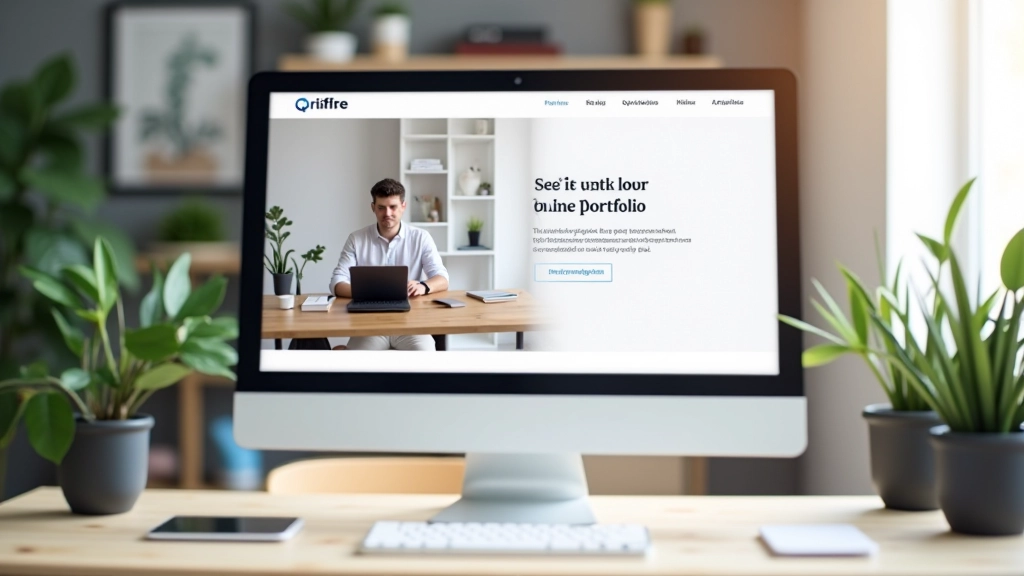
You don’t need a complicated website. But you do need something that’s yours. A platform where you control the narrative and aren’t at the mercy of algorithm changes.
The basics: a clean homepage that explains what you do in one sentence, a page showing your work or experience, and a way for people to contact you. That’s it. Keep the design simple—white space is your friend. Typography matters more than flashy graphics. Most people are on mobile, so responsive design isn’t optional.
Update it every few months with new projects or writing. A stale website is worse than no website. Even just a blog post quarterly shows you’re actively engaged in your field.
Social media content can help, but it’s not required. What matters is consistency across whatever platforms you choose. If you’re on Twitter, post regularly—even once a week is fine. If you’re on LinkedIn, share insights related to your work. If you’re not genuinely interested in content creation, skip it and focus on having strong profiles instead.
The rule: Be present where your audience actually is. For most professionals in Canada, that’s LinkedIn first, email second, everything else optional.
If you do post, make it valuable. Share things you’ve learned, mistakes you’ve made, perspectives that aren’t obvious. People follow people who say something interesting, not people trying to look perfect.

Here’s what makes people take you seriously: you look like the same person everywhere. Same photo, consistent name, matching descriptions. When someone finds you on LinkedIn, then checks your website, then sees you on Twitter—they shouldn’t feel like they’re looking at three different people.
Use the same headshot on LinkedIn, your website, and any professional profiles. Consistency builds recognition.
Your LinkedIn headline, website tagline, and social bios should tell the same story. Minor variations are fine, but the core message stays consistent.
When you change jobs or achieve something significant, update all platforms at the same time. Outdated profiles hurt credibility.
You don’t need to do everything at once. Here’s a realistic timeline that won’t overwhelm you.
Update your profile photo, headline, and summary. Write about your current role and what interests you about your field. This takes about 2-3 hours total.
Choose a platform (Webflow, Squarespace, or WordPress), create a simple homepage with your bio and contact info. You don’t need anything fancy—clean and readable wins every time.
Add case studies, projects, or examples to your website. Flesh out your LinkedIn experience section with more detail. Link everything together so people can find the full picture of what you do.
Don’t overthink this. A solid LinkedIn and a simple website put you ahead of most people. You’ve got this.
This guide provides general information about building a professional online presence. Every industry has different expectations, and what works for tech professionals might differ from finance or creative fields. Consider your specific industry standards, location in Canada, and professional network when implementing these strategies. This is educational content—not a guarantee of specific outcomes or career advancement.